From the blog · How-to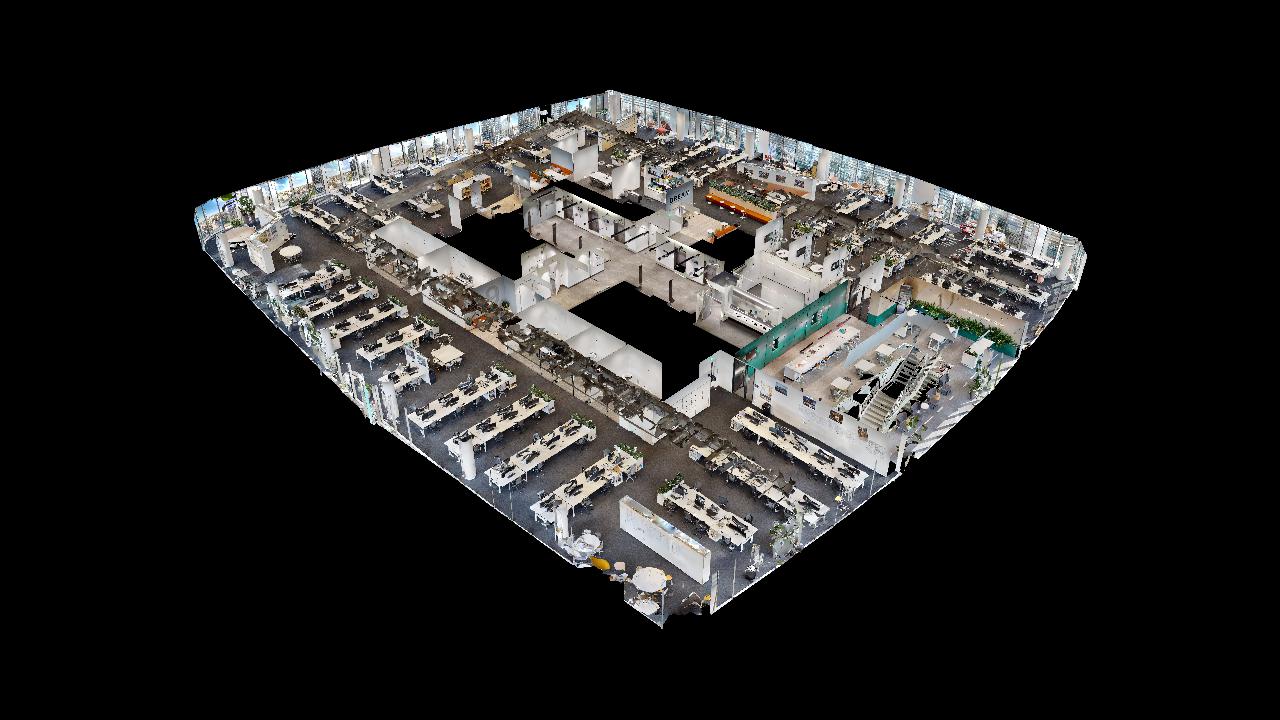
How to scan an occupied office in a single afternoon.
A how-to on renting an XGRIDS Lixel K2 and documenting an occupied commercial interior in Singapore yourself — in a single walk before renovation begins.
A how-to on renting an XGRIDS Lixel K2 and documenting an occupied commercial interior in Singapore yourself — in a single walk before renovation begins.
This is an illustrative field note, not a client case study. It uses no client names, dates, or results — only a realistic picture of how a rental and capture tend to run. Volumet rents the scanner; the modelling is done by the renter or a processing partner.
Say you need accurate existing-condition data for a CBD office floor before a renovation. The drawings are out of date, the space is partly furnished, and the tenancy is still occupied during working hours — so the capture has to be quick, non-disruptive, and complete in one visit.
Rather than buy a scanner for a one-off job, you rent an XGRIDS Lixel K2 for the week. Handheld SLAM capture suits a walkable, furnished interior far better than a tripod scanner that needs repositioning around every partition.
The Lixel K2 rents from S$2,300 per week (dry, subject to approval). For a first interior capture, adding the optional onboarding session is the safer choice — a short Zoom covers setup, walking pace, loop closures, and how to export clean point clouds, the details that decide whether the data is usable. Teams with prior SLAM experience may skip onboarding and run the dry rental alone. Final pricing depends on dates, duration, deposit, insurance, and logistics.
Your capture comes down to a planned single loop:
Typical outputs from an interior capture you run, subject to device, software, and processing workflow:
Interiors have predictable failure modes. Glass and mirrors confuse any SLAM device, reflective floors add noise, and a furnished space hides surfaces you will want later. Booking access during quieter hours and planning the route up front prevents most re-scans. And to be clear: these are reference workflows, not certified survey deliverables.
Send the floor area, access window, and intended output. We will confirm whether a Lixel K2 rental fits and what it would cost.
Request rental availability