3D Gaussian Splatting of real spaces.
Photoreal, real-time 3DGS scenes of venues, interiors and heritage spaces: captured with the XGRIDS PortalCam, refined through LCC CyberColor, and delivered in formats that stream in a browser or drop into a game engine.
FromS$2,800
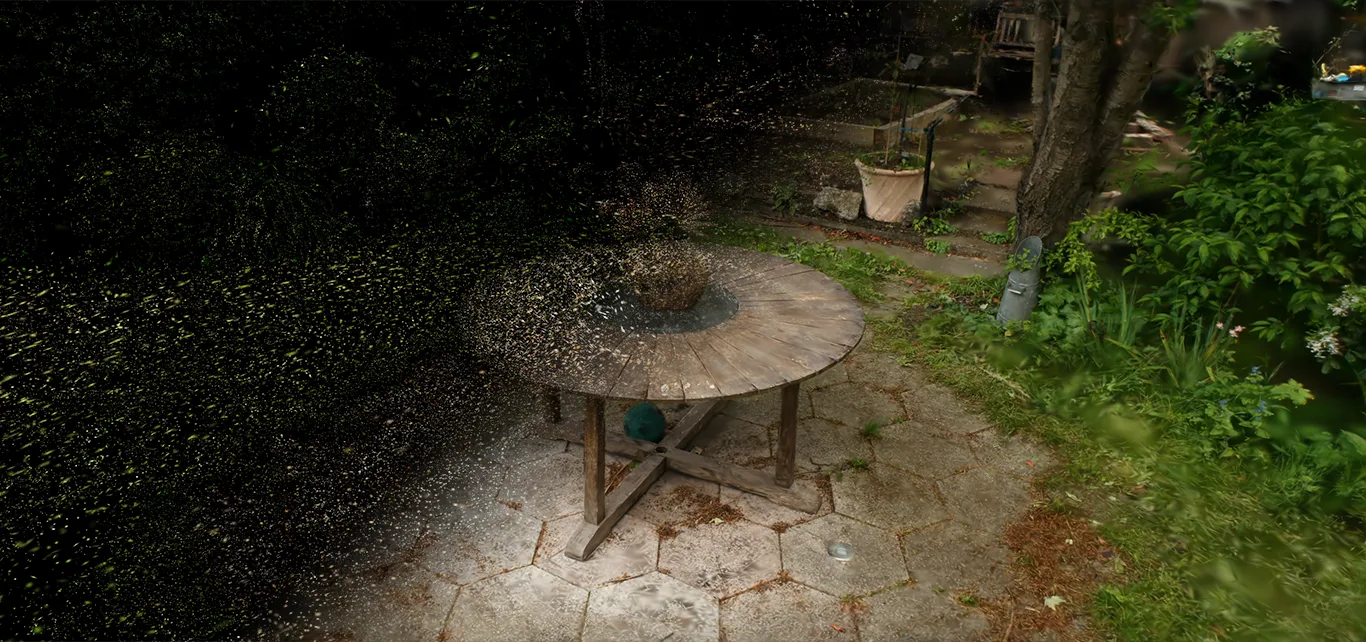 3DGS scene · photoreal capture
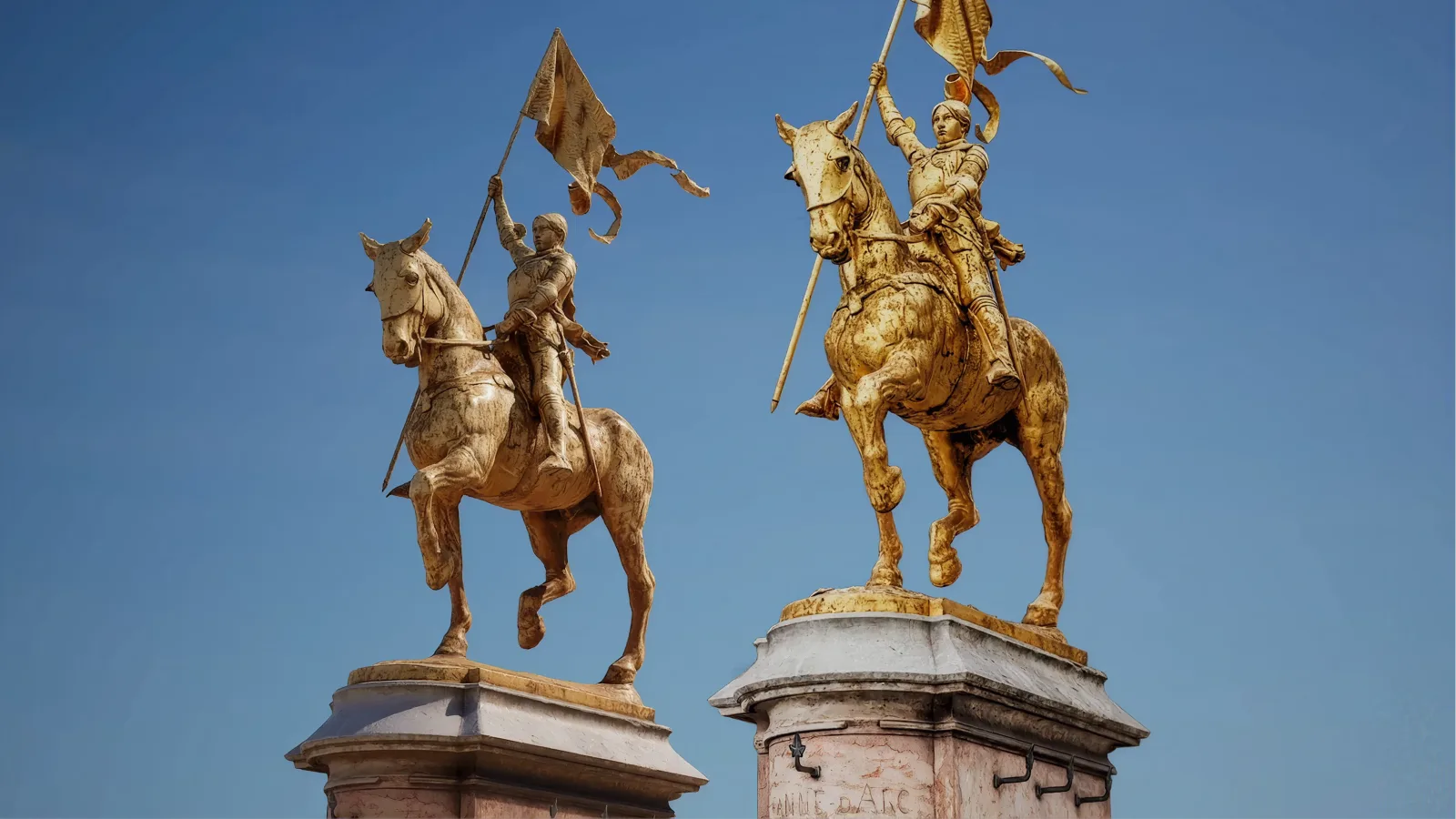 3DGS scene
What 3DGS gives you that a point cloud does not
A point cloud is measurement data: precise, but visually sparse. A Gaussian-splat scene reconstructs the space with view-dependent lighting and materials: reflections on stone floors, foliage, glass: the things point clouds and meshes render poorly. It looks like the place, renders in real time, and streams in a browser. The honest trade: 3DGS is visual fidelity, not survey-grade measurement. When a project needs both, we capture LiDAR alongside, and one visit yields a measurable point cloud and a photoreal scene.
The comparison people actually want is against a photogrammetric mesh. A mesh gives you clean geometry and predictable file behaviour but flattens reflections, struggles with thin and transparent elements, and looks like a model. A splat scene keeps the light, which is exactly why it reads as the room rather than a reconstruction of it. Where geometry has to be edited, meshes still win, and we deliver both from the same capture where a pipeline needs it.
The pipeline
Capture with the XGRIDS PortalCam for image-based scenes, or a Lixel scanner where LiDAR-fused capture suits the space; processing in LixelStudio; colour refinement and scene optimisation in LCC CyberColor; then export to your target: web viewer, Unity or Unreal, or XR. Scene scale runs from single rooms to whole venues.
Between capture and delivery sits the work that decides whether a scene looks professional: trajectory and coverage checks, removal of transient objects and people, exposure consistency across the capture, floater and artefact cleanup at scene edges, level-of-detail tuning so the scene loads quickly on a laptop, and a defined viewing envelope: the region the camera is meant to stay within, where the reconstruction holds up. Splat scenes degrade outside their captured envelope, so setting that boundary deliberately is part of the craft.
What 3DGS suits
- Venues and event spaces: sales assets that look like the room, not a rendered approximation.
- Heritage and interiors: ornament, patina and material read properly; see urban planning & heritage.
- Media, previs and virtual production: scenes to fly a virtual camera through; see film & VFX.
- Retail and hospitality: flagship spaces captured for brand and design review.
- Exhibitions and installations: a permanent record of something temporary.
- XR and web experiences: real places, real-time, no install.
Delivery and viewing
You receive the splat scene files plus a viewing route your audience can actually use: typically a browser link with nothing to install. For marketing walkthroughs where hosting, tagging and floor plans matter more than photorealism, the Matterport service is often the better fit; we will say which, given the brief.
Practical delivery notes: scenes are tuned to a target device class, so tell us whether the audience is on desktops, phones or a headset. Engine-ready exports come with the scale and up-axis convention agreed in advance. And where the scene will live on your own site, we provide the files and the embed rather than holding it hostage on ours.
Capture conditions that matter
3DGS is image-driven, so light matters in a way it does not for LiDAR. Best results come from consistent, diffuse light: overcast daylight for exteriors, house lighting held constant for interiors. Changing light across a capture: sun moving through a glazed atrium, someone switching a bank of lights: produces visible inconsistency in the scene.
Other conditions worth planning for: people moving through the space (we capture out of hours where the scene must be empty), highly reflective and mirrored surfaces which can generate artefacts, very large uniform surfaces with no texture, and spaces where the camera cannot get enough angles on an object to reconstruct it. A short pre-capture conversation about the space usually prevents all of these.
Honest limits
Not measurement data. Not a mesh you can edit like CAD geometry. Not reliable outside the captured viewing envelope. File sizes are substantial and viewing performance depends on the device. And a splat scene records the space on the day, lighting included: it cannot be relit later the way a modelled scene can.
All of that is fine when the job is to show a space convincingly. It is not fine when the job is to dimension one, which is why we ask what the scene is for before recommending it.
3DGS, a tour, or both
Choose 3DGS when the look of the space is the value: venues being sold, heritage being recorded, media pipelines being fed. Choose a Matterport tour when the audience needs structured navigation, tags, floor plans and a familiar interface: leasing, facilities, listings. Choose both when a venue needs a beautiful hero scene and a practical tour for operations, which is more common than it sounds and cheaper as one mobilisation than two.
Turnaround and cost drivers
Cost is driven by scene count and scale, capture window and whether the space must be cleared, the target platforms, and how much optimisation the delivery needs: a browser scene for phones takes more tuning than a desktop scene. Typical timing: capture in a single visit for one space, first scene within one to two weeks, revisions after review.
Send the space and the audience to get a quote. If we think a tour serves you better, we will say so.
What good looks like when you review a scene
Splat scenes are easy to make and harder to make well, so it helps to know what to look at during review. Move the camera to the edges of the scene. Quality holds inside the captured envelope and degrades outside it; a well-produced scene tells you where that boundary is rather than letting you wander into mush.
Look at reflective and transparent surfaces. Glass, polished stone and water are where 3DGS earns its keep and also where artefacts appear. Some floaters near glazing are normal; a scene full of them has not been cleaned.
Check consistency of light across the space. If one side of a room reads warmer or brighter, the capture ran through changing light. It can sometimes be corrected in refinement, but it is better prevented by capturing in a stable window.
Watch load and frame rate on the device your audience will use. A scene that flies on a workstation and stalls on a phone has not been tuned for delivery: level-of-detail work is part of production, not an optional extra.
Look for people and transient objects. Half-removed figures are the most common giveaway of a rushed capture.
We review against these before delivery and flag anything we could not resolve, with the reason, rather than hoping it goes unnoticed.
Files, hosting and reuse
Scenes are assets, so it is worth settling what happens to them. You receive the scene files and the viewer, and you host them where you want: your own site, your CDN, a client microsite. We do not hold scenes hostage on our infrastructure, and we do not require an ongoing subscription for a scene to keep working.
Practical points that come up. Hosting and bandwidth: splat scenes are substantial files and a popular page will move real data, so plan for a CDN if the audience is public. Versions: a scene tuned for phones and a scene tuned for desktop are different builds; we deliver whichever set you need and label them clearly.
Reuse across channels: stills and camera-path video cut from the scene are usually the most-used deliverable in practice: sales decks, listings, social. Ask for them at delivery rather than commissioning them later.
Recapture: when a space is redecorated, re-lit or re-dressed, the scene is out of date, because a splat scene records the light as well as the geometry. Budget a recapture at the same point you would budget new photography.
Permissions: for venues, heritage sites and tenanted spaces, confirm who may publish imagery of the space before capture. It is a five-minute conversation that occasionally prevents an unusable deliverable.
Captured for the light, tuned for the device.
Space, audience, target platform and viewing envelope agreed; lighting plan for the capture window.
PortalCam image capture, or LiDAR-fused Lixel capture where the space suits it. Out of hours where the scene must be empty.
LixelStudio reconstruction; transient objects and people removed; coverage verified.
Colour and scene refinement in LCC CyberColor; artefact cleanup and level-of-detail tuning.
Browser-streamable scene plus engine-ready exports, with scale and axis conventions as agreed.
From S$2,800 per scene.
A photoreal scene of one space, viewable in a browser. Indicative prices for Singapore; your quote is fixed in writing.
Capture, training and a browser-ready 3DGS scene of a single venue, interior or heritage space.
When we are already on site for a laser scan, the scene comes from the same visit.
- Site scan, up to 2,000 sqftS$1,500
- Virtual tour+S$300
- Extra scenes or game-engine deliveryQuoted
What moves the price: scene count and scale, the capture window, the target platforms, and how much optimisation a phone-ready scene needs.
- One space, browser-ready sceneS$2,800
Extra scenes and game-engine delivery are quoted.
Scene formats and where they go.
| Deliverable | Format | Target |
|---|---|---|
| Gaussian splat scene | Splat scene files | Browser viewer: no install for your audience |
| Web viewer embed | HTML embed / link | Your own site, listing page or sales deck |
| Engine-ready export | Unity · Unreal packages | Virtual production, previs, interactive experiences |
| Mesh export | OBJ · FBX · glTF | Where geometry must be edited or lit conventionally |
| Registered point cloud | E57 · LAS / LAZ | Only where LiDAR is captured alongside: the measurable layer |
| Stills and camera paths | JPEG · MP4 | Marketing frames and fly-throughs cut from the scene |
3DGS is a presentation medium. If a dimension has to be defended, capture LiDAR on the same visit and measure in the point cloud.
Related work, services and guides.
Common questions.
What is 3D Gaussian Splatting?
A scene representation that reconstructs real spaces from captured imagery as millions of oriented gaussians: photoreal, view-dependent, and fast enough to render in real time in a browser.
How is it captured?
PortalCam image capture or LiDAR-fused Lixel capture, processed in LixelStudio and refined in LCC CyberColor.
Can we measure from it?
No: presentation-grade. Capture LiDAR alongside if measurement matters; one visit can produce both.
How do we share it?
Browser-streamable scene by default; engine-ready exports for Unity, Unreal and XR on request. Files and embed are yours to host.
How is it different from a photogrammetric mesh?
A mesh gives editable geometry but flattens reflections and struggles with glass and thin elements. A splat scene keeps view-dependent light, so it reads as the actual room. We can deliver both from one capture.
Does the space need to be empty?
Not necessarily, but people and moving objects create artefacts. Where the scene must be clean we capture out of hours, which is usually the cheaper option compared with cleanup.
Does lighting matter?
Yes, more than for LiDAR. Consistent diffuse light gives the best result; light changing during capture shows up as inconsistency in the scene.
How long until we see the first scene?
Capture is typically one visit; the first scene follows within one to two weeks, then revisions after your review.
How large are the scene files, and will they load on a phone?
Scenes are substantial, and delivery is tuned to a target device class. Tell us whether the audience is on desktops, phones or headsets and the scene is built and optimised for it: a desktop-tuned scene will stall on a phone.
Can we capture a whole venue, or only single rooms?
Venue scale is normal. Larger spaces are captured as connected passes and assembled, with the viewing envelope set deliberately so the camera stays where the reconstruction holds up.
Can you remove people and clutter from a scene?
Transient objects and people are removed in processing, but heavy movement leaves artefacts. Where the scene must be clean, out-of-hours capture is cheaper and better than cleanup.
Can 3DGS be combined with a point cloud in one delivery?
Yes: capture LiDAR on the same visit and you receive both: the splat scene for presentation, the registered cloud for measurement. One mobilisation, two purposes.